
Start with a Delano Resident Question
A Delano residents directory works better as a set of record trails than as a single list. A current address leads to a parcel. A name can lead somewhere else entirely. It might point to a court case, a business filing, a license, a voter status check, or a newspaper notice. Older households need different tools. Think library shelves, census schedules, and deed chains. So the first useful question is not simply who the person is. It is whether the search concerns an owner, a voter, a recorded party, a past resident, or someone tied to a public activity.
That distinction keeps a Delano lookup accurate. Kern County records sit scattered across offices in Bakersfield, a Delano court branch, state portals, and Beale Memorial Library. No single source lists every occupant. People absent from one record, unlisted households, and protected individuals may never surface on a given trail, so label each result and confirm it against a second point.
- Write down the strongest starting clue. Keep the full name, name variants, street address, approximate era, parcel number, or event county exactly as known.
- Use Kern Property Search for an address route to an APN or ATN. The consumer assessor search does not provide an open owner-name directory.
- Use the recorder index for a deed, lien, or other instrument, then compare the indexed parties and legal description with the parcel.
- Use California’s My Voter Status tool only for a person’s own verification. An approved Kern voter-data request is a separate, restricted process.
- Move older research to Beale’s Local History Room, Delano newspaper microfilm, yearbooks, telephone directories, census schedules, or a targeted California Public Records Act request.
Note: A public record can fix a name, a place, or an event in time without proving who occupies a particular home today.
Delano Resident Records in Bakersfield
Most Delano name records never touch City Hall. The Kern County Assessor-Recorder holds parcel data, deeds, liens, plats, and county vital copies. The County Clerk handles marriage licenses, confidential marriages, fictitious business names, notaries, and election functions. Kern Superior Court holds case files, probate among them. The Delano branch gives the city a local court counter, though some records and services remain centralized in Bakersfield. Voter rolls rest with the Elections Division. California's permitted-use rules govern that file.
Kern County Assessor-Recorder
Recorder Division and property records
Counter service in Bakersfield
Copy counter: 8:00 a.m.-4:30 p.m.
Kern Recorder records overview
Kern County Elections Division
1115 Truxtun Avenue, 1st Floor
Bakersfield, CA 93301
661-868-3590
Kern Superior Court
Delano branch and countywide case system
Criminal and noncriminal searches separate
Portal registration required
Beale Memorial Library
701 Truxtun Ave., Bakersfield
Second floor Local History Room
661-868-0771; call ahead
For library research, Delano Branch Library at 925 Tenth Avenue, Delano, is the closest Kern County Library stop. Beale holds the deeper local-history material. Some tasks still demand a drive. An original record, a counter-only APN search, or a microfilm reel can each require the trip to Bakersfield. Online links are just starting points. They never replace a custodian's certified copy or an official map.
Delano Resident Roles and Records
Four roles get tangled easily in a Delano residents directory unless results are named precisely. An assessee belongs to the tax roll. A deed party signed or received an instrument. A voter record covers registration and permitted election data. An occupant can appear in a directory or newspaper without owning the parcel. One person may hold several roles at once, but no role should silently prove another.
- Assessee or owner
- Connected with the Kern assessment route or a recorded instrument. The public consumer property result suppresses owner names.
- Recorded party
- Grantor or grantee named in a deed, lien, plat, or other indexed document. The recorder is organized by document number and parties.
- Registered voter
- A person’s own California status can be checked privately. Bulk or street-organized data requires a permitted purpose and application.
- Historical occupant
- A subscriber, household member, classmate, obituary subject, or newspaper name tied to a particular source and date.
The mailing address is where tax mail goes. The situs address is the physical parcel. Neither tells you who is inside the home. A legal description and APN bridge a deed to a map far more firmly, while a directory entry or newspaper notice adds household context for its own publication year.
Note: Treat each finding as an evidence point with a source date, not a finished Delano resident directory entry.
Delano Resident Property Fields
Kern Property Search is the main address-to-parcel doorway for any Delano lookup. It is free. A CAPTCHA gate comes first. The search fields only load after it is passed. The public interface takes an APN, an ATN, or an address, but no unrestricted owner-name search, and an address match leads into parcel information rather than a household list.
| Field or mode | Type | Required | Format and result note |
|---|---|---|---|
| Security code | CAPTCHA text | Yes | Must pass before the search controls appear. |
| Assessor Parcel Number | Text | Alternative | 8 or 9 digits; dashes are optional. |
| Assessor Tax Number | Text | Alternative | 10 or 11 digits; dashes are optional. |
| Property Address | Text | Alternative | Use the street name with an optional number; omit street type, city, and ZIP. Prefix matching returns the first 100 results. |
| Search or Reset | Buttons | Not applicable | Runs the search or clears the form. |
Start with the full situs address. Save the APN or ATN it returns. Then open the Kern GIS interactive map. The viewer layers parcel geometry, map-book context, tax-rate areas, easements, and legal lot lines. It is still a convenience viewer. Kern treats nearly 17,000 hardcopy assessment map sheets as official, and the GIS data page warns that ancillary layers can be incomplete.
The public web route stops short of a current owner name. A lawful counter or data channel is required. That limit puts the property search at the front of a Delano residents directory workflow, never at the end of it.
Current Delano Resident Directory Sources
Current sources answer different questions. The assessor maps an address to a parcel. The recorder ties parties to instruments. Courts expose selected case events, while state business and license registers show public affiliations, and the voter status tool confirms a voter's own registration. Together they build a careful resident directory trail, though none promises a full list of everyone living in Delano.
| Source | What it can establish | Keeper | Access |
|---|---|---|---|
| Property search and GIS | Address, APN, parcel shape, map context | Kern Assessor | CAPTCHA search and free GIS viewer |
| Recorder index | Indexed parties, recording date, document number, instrument type | Kern Recorder | Online grantor/grantee route and counter |
| My Voter Status | A voter’s own registration status and identity details | California Secretary of State | Private self-check |
| Court case portal | Case number, parties, events, and public register entries | Kern Superior Court | Account; 50 general-public cases per hour |
| Business, license, or unclaimed property index | Public affiliation, credential, or reported owner location | California agencies | Free search, with separate document rules |
State tools can add a layer to any Delano residents directory check. The Secretary of State bizfile Online search ties a name to a California entity. The Department of Consumer Affairs license search shows a published license status. And the State Controller's unclaimed-property search can surface a historical reported location. That is not where someone lives now. The Delano resident lookup workflow treats these affiliations as supporting clues. They never substitute for parcel rolls, court filings, and other county evidence.
Note: Trust an index result only when the name, date, place, and a second independent anchor all line up.
An entity record is an affiliation trail, not a resident roll. The screenshot below comes from the official California bizfile search. It shows exactly what the state publishes about a registered business.
That distinction matters for a city directory effort. A name inside a corporate filing proves a public connection to a business, nothing more. Pair it with property rolls or recorder documents. Only then draw any conclusion about where a person actually resides in Delano.
A filing can separate people who share a name. Still, read the entity's address and agent details as business records rather than proof anyone lives there.
Why Delano Records Stay Separate
Kern's recorder indexes instruments by document number and grantor or grantee. No comprehensive property file exists. That is by design. A Delano property search gets assembled link by link. Start with the APN or assessee route. Identify a deed, read its legal description, then search the parties backward or forward. One address box cannot replace that chain.
The quirk bites on old deeds. A different street spelling or a tract description can hide the parcel you want. The recorder's public search mode is a grantor and grantee interface. Kern ended online APN searching of official records on December 9, 2024, after AB 1785. APN searches now live at Hall of Records or Recorder Annex kiosks. That makes the counter a real part of the modern Delano records route.
Local record quirk. A parcel number gets the search started, but the recorder’s chain is built from people, document numbers, recording dates, instrument types, and legal descriptions.
Under Government Code section 27366, official copies start at $3 for the first page or document. Extra charges follow the published schedule. The 2026 fee sheet is the safer source for what a copy costs today. Hold on to the document number before you order. Solicitations offering deed copies can tack a markup onto a record. The county already supplies that record through its own channels.
Delano Court Search and Resident Records
A court result can confirm that a named party appears in a Kern case, but it is not a complete biography and it is not the official file. The Kern portal separates criminal and noncriminal searches and requires an account. General-public users are limited to 50 cases per hour. Selecting a public case can display a register of actions, while the underlying document may require a request to the clerk.
Criminal search. Use a case number or defendant name, followed by matching case data and a public status or register when available.
Noncriminal search. Use a case number or party criteria after login. Pre-September 25, 2025 case numbers should be entered without hyphens.
Federal search. Eastern District of California matters are reached through PACER, with court, party, case number, date, and region filters.
The Kern Superior Court online-services page carries the portal route and a warning about fraudulent payment texts. The portal’s registration, search limit, and document-request rules apply to the case search. The Delano branch page identifies the local location. Federal matters use a separate national court system and should be kept apart from Kern Superior Court notes.
A docket entry is a dated event, not necessarily the pleading or order itself. Juvenile, adoption, sealed, confidential, and protected family-law records do not become public merely because a name is known. A case match should be recorded with its case number, party role, filing date, and court location before it is compared with another Delano resident directory source.
The court-services screenshot is linked to the official Kern online-services page. It gives the portal context without turning a search result into a certified record.
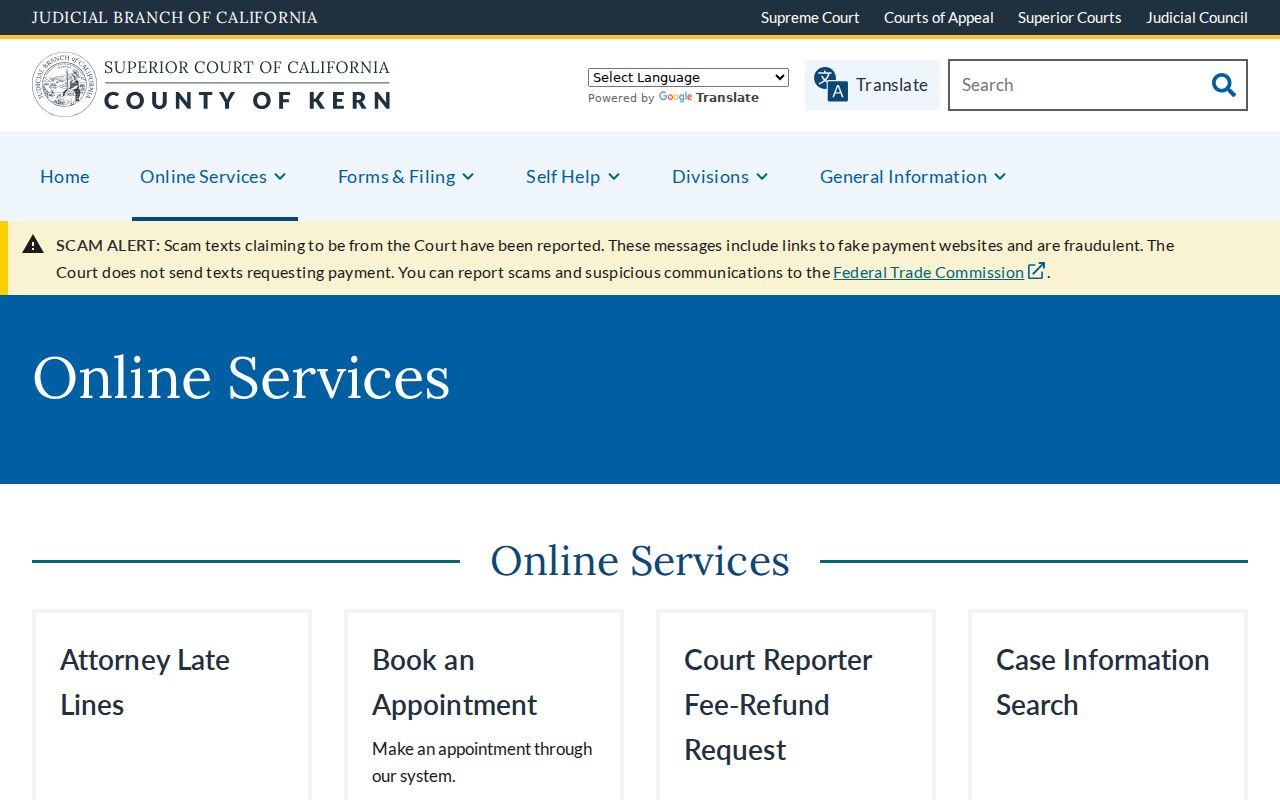
Official copies come straight from the clerk, either through the court’s Request Documents application or by visiting or writing the office. The online index only points the way. The clerk’s file settles the question in a Delano court search.
California Voter Status for Delano Residents
California's My Voter Status tool answers one question for one person. It is not a public Delano residents directory. A voter types in identifying details and gets a status reply meant only for that individual. Kern County treats its voter file as a far broader but tightly controlled product. The county application offers data files, printed alphabetical indexes, walking files sorted by street, precinct, or district, plus vote-by-mail and challenged-signature reports. Anyone ordering must certify a permitted election, scholarly, journalistic, political, or governmental use before anything ships.
My Voter Status fields. The form collects first name, last name, and date of birth as core identity inputs. A California driver-license or ID number, or the last four digits of a Social Security number, can serve as a conditional matching field. None of these work as public search terms.
Kern's fee schedule reflects the format. A countywide or named-district data file costs $45.50, while printed alpha indexes and street or walking files are priced by the thousand records. FTP delivery is available for specified reports. Orders also demand identity, organization and contact details, requested geography, an ID copy, the intended use, and a signed penalty-of-perjury certification. These are restricted records, not a Delano street lookup.
For personal verification, the California voter-status form is the right route, and Secretary of State registration guidance explains confidential-voter protections. California Elections Code sections 2188 and 2194 govern disclosure and use of voter-file data. Driver-license numbers, Social Security numbers, and signatures stay confidential, and voting history records participation only, never ballot choices.
The voter-status screenshot links to the official form itself. It shows the line between confirming your own registration and requesting a restricted extract from an agency.
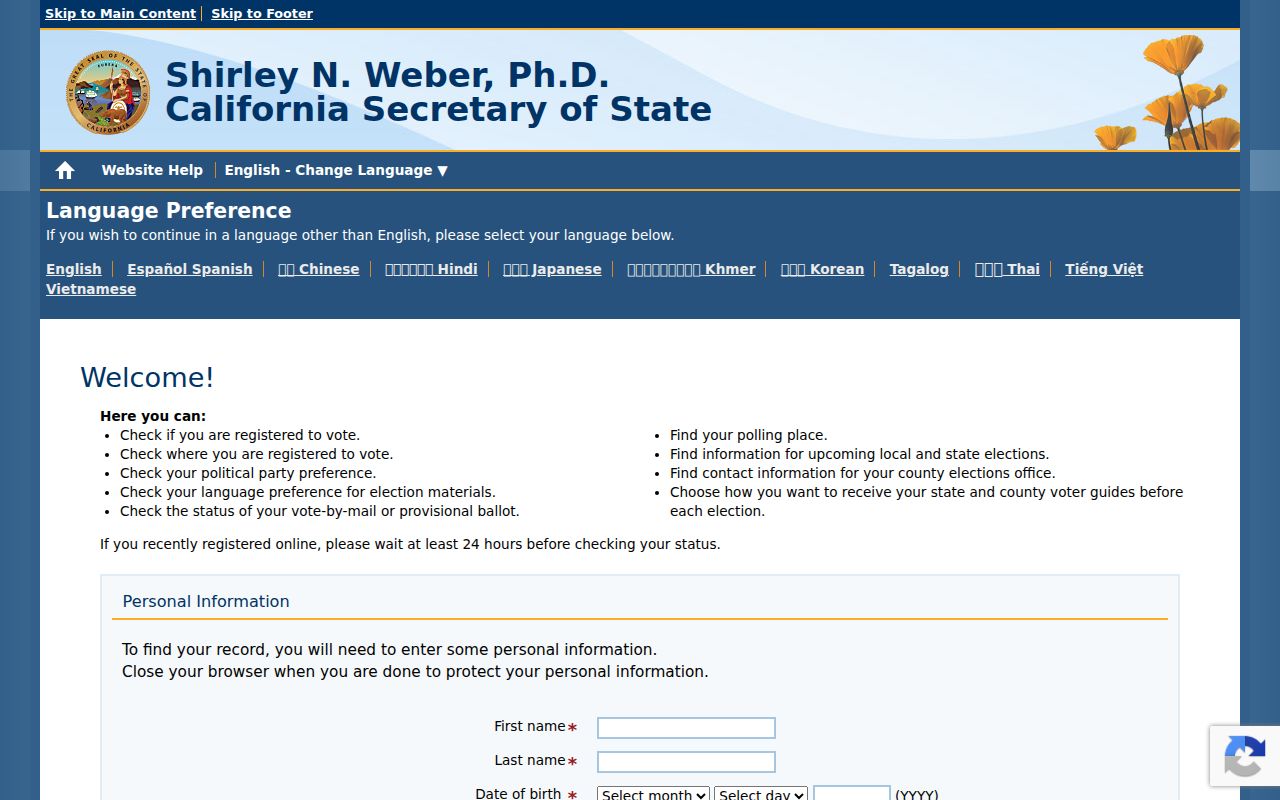
Safe at Home participants register through confidential channels instead. An inactive or cancelled record may reflect list maintenance, a move, a death notice, or a voter's own request. Treat none of these as proof of a current address.
The Delano Library Trail for Past Residents
For tracing past residents of Delano, one stop has proven itself again and again. That stop is Kern County Library's Beale Local History Room. The library publishes no digitized Delano city-directory run online, so the room's physical holdings carry the weight. Beale keeps Kern County telephone directories from 1940 forward and Bakersfield city directories reaching back to 1899. Yearbooks, periodicals, vertical files, and Delano newspaper microfilm round out the shelves. The collection matters precisely because so little of this material exists anywhere else online.
Nothing circulates. Materials stay in the room. Staff ask researchers to call ahead. That way a microfilm reader or requested vertical file is ready on arrival. The Delano Branch Library offers a convenient nearby access point. For deep work, Beale sits at 701 Truxtun Ave. in Bakersfield. When travel is hard, the library's Obituary Request and Article or Research Request forms can bring results to you. A telephone directory may list a subscriber's name, street address, and number. Reverse coverage varies volume by volume, though.
Kern County telephone directories. Holdings run from 1940 forward. A volume can supply a name, a number, an address, and sometimes a reverse section.
Bakersfield city directories. These begin in 1899 and explain the regional format. They give county context, not a Delano substitute.
Delano newspapers. Microfilm preserves obituaries, notices, school honors, and address-linked advertisements across unnumbered years.
Beale vertical files. More than 900 subjects are covered, including club, church, school, neighborhood, and family ephemera.
A directory year can place a person at an address and catch a name variant. It cannot prove anyone lives there today. The full Delano city directory collections page shows how to read the volumes. It also explains how to pair them with the 1940 and 1950 census. Under the 72-year release rule, 1950 stands as the newest public population schedule in 2026.
Note: No digitized Delano directory images are published online. Missing years remain a research question rather than a coverage claim.
Delano Vital Record Access
Delano Vital Record Access. A birth, death, or marriage record can prove an event, a family tie, or where it happened. California keeps these records restricted. There is no rule that opens them after a set number of years. Instead, the state splits certified copies into authorized and informational categories, and the category controls who may receive what. A Delano event must have occurred in Kern County for the county to issue from its own rolls. The Kern Recorder handles birth, death, and public-marriage copies. The County Clerk issues marriage licenses and confidential-marriage copies, while the California Department of Public Health covers the statewide product.
Birth. Kern Recorder or CDPH issues authorized or informational copies under Health and Safety Code section 103526. Kern’s 2026 fee is $31.
Death. The same two offices issue copies. Historical indexes run through archival channels. Kern’s 2026 fee is $26.
Public marriage. Kern Recorder supplies the copy route, subject to category and eligibility rules. Kern’s 2026 fee is $19.
Confidential marriage. Under Family Code section 509, only a party to the marriage or a court order reaches these records at the Kern County Clerk. No Kern fee was listed here.
Divorce. The Kern Superior Court holds the decree. A state certificate is not the full file, and the court schedule controls charges.
The 2026 Kern fee sheet keeps the search fee even when no record exists and a Certificate of No Record Found is issued. A mailed authorized-copy request generally needs a notarized sworn statement. Informational copies carry a legend and cannot establish identity. Start with the Kern vital-record page and the California Vital Records page for forms and eligibility details.
Older family research can lean on county registers, church records, cemetery evidence, and newspaper notices. None of that turns a modern certificate into an unrestricted identity record. Keep the event county separate from the postal city, too, especially near Delano’s northern edge.
Comparing Delano Official Resident Rolls
Official resident rolls and commercial compilation tools answer different questions. A county or state custodian shows you how a record was made. It also shows who kept it. A commercial compilation may pool names from several public and nonpublic sources. The trail back to the origin often disappears. For Delano family history, address research, or finding an old classmate, the official route is slower. It is also far easier to trust. That is the trade a Delano residents directory researcher should weigh.
| Source type | Strength | Limit | Best next check |
|---|---|---|---|
| County parcel or recorder record | Named office, document trail, legal description | Owner or party is not an occupant list | Second parcel, deed, or dated source |
| State or county voter channel | Defined identity and election purpose | Self-check or restricted file, not open person search | Use only the permitted route |
| Library directory or newspaper | Historical address and social context | Edition date, omissions, and spelling variations | Nearby year, census, deed, or obituary |
| Commercial compilation | May gather several leads in one interface | Cost, lag, merges, and unclear provenance | Verify with the custodian |
California privacy rules shape what a resident lookup can and cannot remove. The Attorney General's CCPA guidance lays out rights to know, delete, correct, and limit certain sensitive-information uses. It also covers opt-outs from sale or sharing at qualifying businesses. The state's 2026 DROP route under the DELETE Act covers registered data brokers. These tools are strong. They still do not erase a lawful deed, court file, or vital record. Those sit with a public custodian in Delano.
Lawful personal use. Delano records support family history, civic research, and personal verification. Do not use a name or address trail to stalk, harass, intimidate, or harm anyone.
Delano Resident Names and Privacy
Business and professional records can separate people in a Delano residents directory. They help when two people share a name. California bizfile searches registered entities. The Department of Consumer Affairs search covers many regulated occupations. Kern fictitious-business-name filings may surface a local trade name that a state entity search misses. Still, none of these sources proves a Delano home. A license or business address is an affiliation, and it should be labeled that way.
The State Controller’s unclaimed-property index deserves the same caution. A match means property was reported for an owner at a location. It does not establish where that person lives now. Keep the exact source, search date, and locality. Compare against a parcel or dated historical record when the question turns on a place.
The California Attorney General’s CCPA guidance describes consumer privacy rights. These rights apply to qualifying businesses and their data practices.
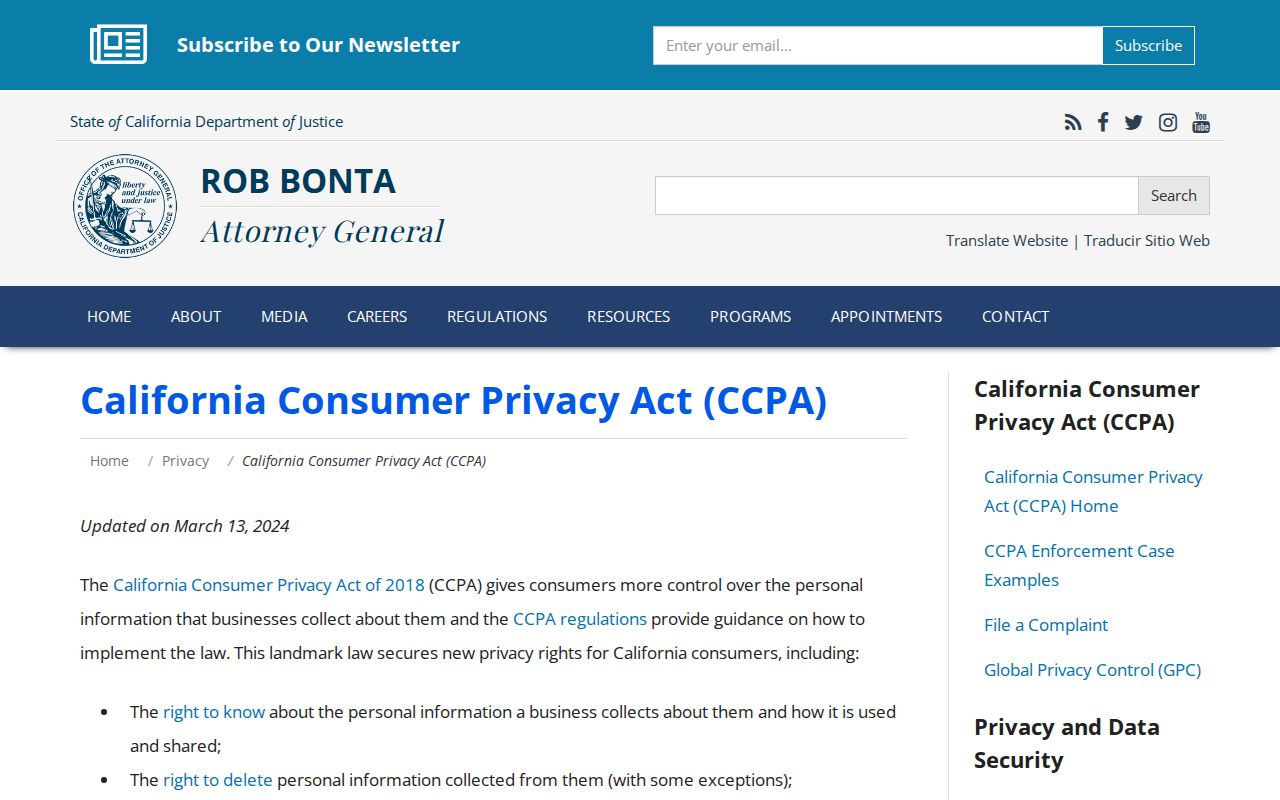
Privacy law in Delano limits certain commercial uses of personal data. It does not erase a lawful deed or court file from the office that holds it. Those records stay public at their custodian.
A professional license can serve as a different kind of clue. The California Department of Consumer Affairs license search publishes license results openly. A match there ties a name to an occupation, not to a Delano residence. Treat it as an affiliation lead, separate from any resident lookup.
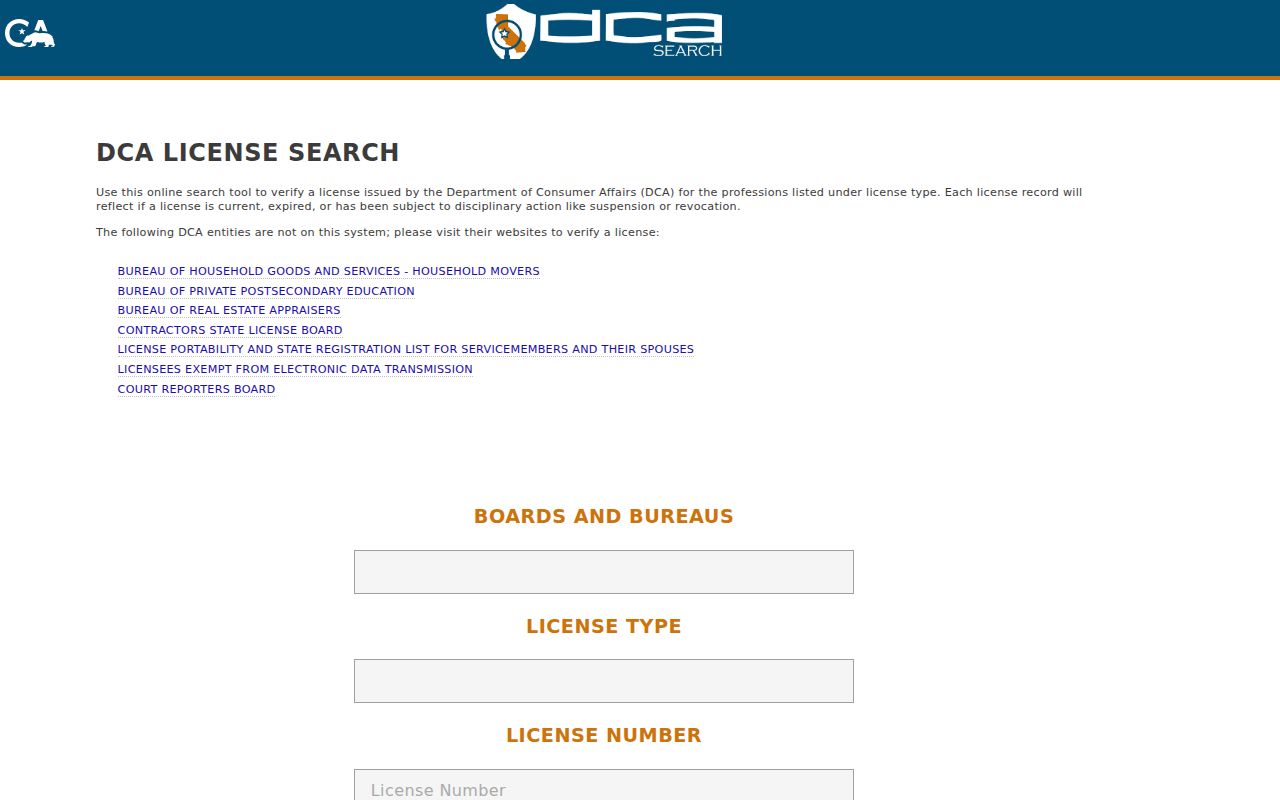
A name can surface in several records at once. Keep a license status, a business filing, and an unclaimed-property match labeled as separate affiliations. Each one carries its own date and custodian. Treat them as leads, not one merged identity. That discipline matters most in Delano, where common surnames make overlap likely.
The State Controller's unclaimed-property search shows what the official state database returns. It lists matches for a queried name. Use any result as a historical name or locality clue only. Confirm it with the record custodian. Use a dated source too, before tying it to a Delano residents directory entry.
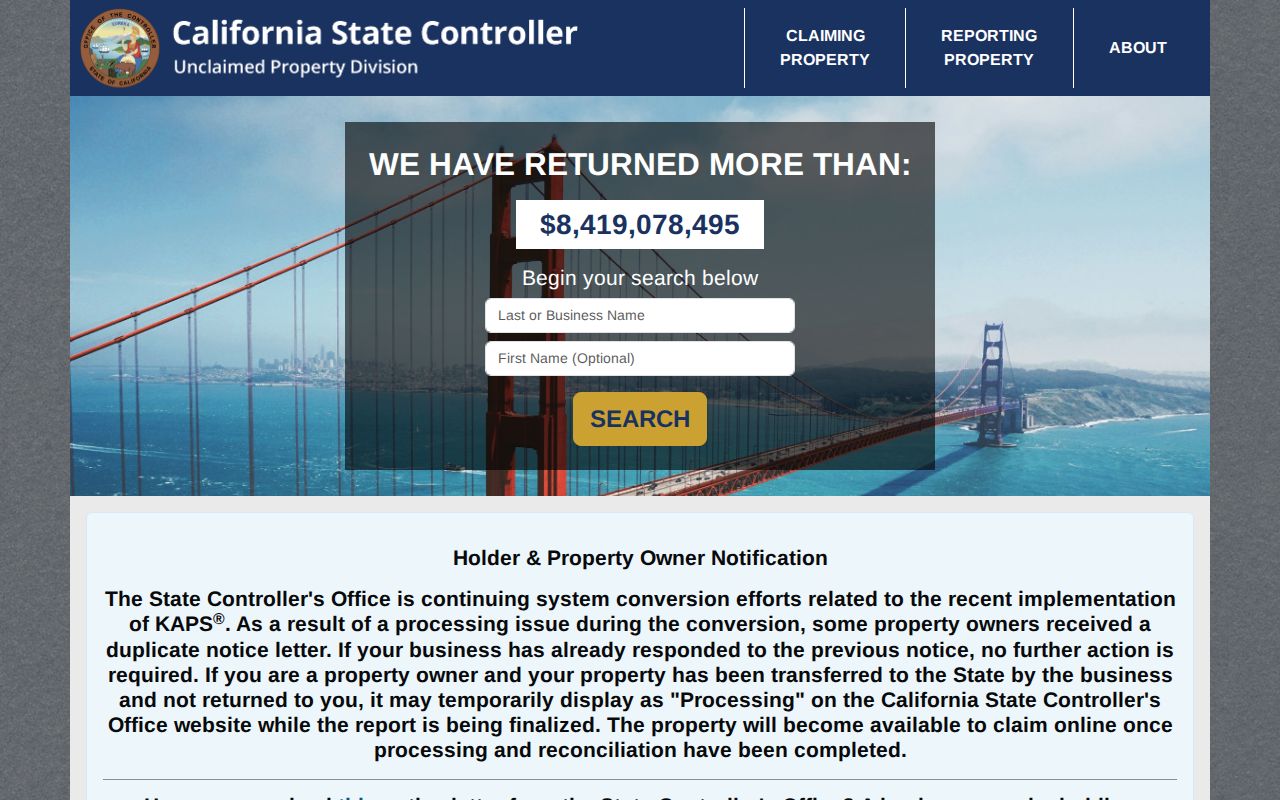
Reported property is not a residence record. A parcel listing may reflect an old address or an owner's last reported location. It may also be a loose name match. Such a match needs stronger identity anchors before it belongs in any Delano residents directory. Assume nothing until several details agree.
Privacy protections have real teeth here. California Safe at Home gives qualifying survivors and other protected categories a substitute mailing address. Government Code sections 6205 through 6211 govern the program. Section 6209.5 supports substitute-address use in specified real-property documents. Protected voters use confidential registration instead of the ordinary rolls. Existing public records are not casually erased. A missing result may be a lawful privacy feature rather than a failed search.
Dates matter as much as names. Kern's 2026 vital-copy fees increased January 1, 2026. Kern GIS identifies the 2025 Final Edition as the current annual final-roll snapshot. It keeps final editions back to 2004. When a resident lookup result matters, check the date, the edition, the fee sheet, and the custodian before relying on it.
The Delano municipal Archive Center is a separate route entirely, holding city agendas, ordinances, resolutions, contracts, and administrative records. An identifiable existing city record deserves a targeted CPRA request. Do not ask the City to create a directory.
Historical Delano Resident Directories
Delano began as a railroad town on July 14, 1869. A post office followed in 1874, and the city incorporated in 1915. Kern County itself dates to 1866. Because of that layered timeline, a historical resident directory for Delano is rarely one continuous book. A search pulls together federal census pages and county instruments. It also draws on city records created after incorporation, old telephone books, newspapers, and school yearbooks. Each source covers a different slice of the town's past.
Names from Delano's farm-labor, Filipino American, and Mexican American history demand extra care with spelling. Compound surnames drift apart across indexes. Initials, married names, and anglicized forms drift too. One household can end up scattered under three spellings. A strong combination is a Delano High or Delano Valley High yearbook plus a newspaper microfilm notice. Add a Kern telephone book entry from the right era. Together they give name context, social detail, and a dated address without masquerading as a modern residents roll.
The California State Archives holds selected county and city records. It can point researchers toward pre-digital local-government, election, court, and naturalization series. No complete list of Delano directory publishers, reverse-directory years, or digitized run has surfaced publicly. That gap is worth keeping in view.
Note: The best historical directory answer is a dated entry tied to a named volume, shelf, microfilm reel, or archival collection.